
Supa Peach: The Young Girl Who Rapped Her Way Into Rooms Most Adults Never Enter
Quick Bio
| Detail | Info |
| Full Name | Peach Aamonie Valero (stage name: Supa Peach) |
| Born | March 7, 2003, Virgin Islands, United States |
| Nationality | American (Caribbean-Hispanic heritage) |
| What She Does | Rapper, pop singer, actress, social media entertainer |
| Biggest Accomplishments | Competed on Lifetime’s The Rap Game Season 1 alongside Jermaine Dupri (2016); YouTube channel with nearly 500,000 subscribers; released the EP Supa Singles (2019); acted in films including Groove Street (2018) and Music & Murder (2017) |
| Other Key Facts | Born in the Virgin Islands; family relocated to Atlanta to support her career; older sister Precious Peach serves as her manager; estimated net worth between $500,000 and $1.5 million; currently 22 years old as of 2026 |
She Was Just a Kid — and That’s What Made Her Unforgettable
Here’s the thing about Supa Peach. She didn’t become interesting because of some calculated strategy or because a label found her at the right moment. She became interesting because she was twelve years old, standing on a national television stage, going bar for bar with teenagers twice as experienced as her — and she held her own.
Most child performers fade fast. They’re pushed forward before they’re ready, the spotlight consumes them, and by the time they’re old enough to really have something to say, the moment has already passed. Supa Peach’s story doesn’t follow that path. She stepped into the glare early, took some real hits, and kept building something that was entirely her own. That’s worth sitting with.
See also “Young E Class: The DC Rapper Who Built His Voice Behind Bars and His Career After Them“
The Islands, the Family, and the Move That Changed Everything
She started life in the Virgin Islands — not Atlanta, not LA, not any of the usual origin stories you hear about young hip-hop artists. The Virgin Islands shaped her early years, and that Caribbean-Hispanic background comes through in everything from her vibe to her visual style.
Her mother, Josetta, is the one who made the call to relocate. She watched her daughter performing from a very young age — some accounts say Supa was singing seriously by the time she was eight or nine — and she decided that if this was real talent, it needed a real environment to grow in. So the family packed up and moved to Atlanta, Georgia. That city, with its deep hip-hop roots and its constant flow of new talent, was the right call.
That decision says a lot about Josetta. It wasn’t a passive choice. Moving a whole family to a new city for a child who is still in elementary school takes a particular kind of conviction — the kind you only have when you’ve seen something you cannot explain away as wishful thinking.
The family is close. Supa has multiple siblings, including brothers and sisters, and the one who becomes most central to her professional life is her older sister, Precious Peach. More on her in a minute.
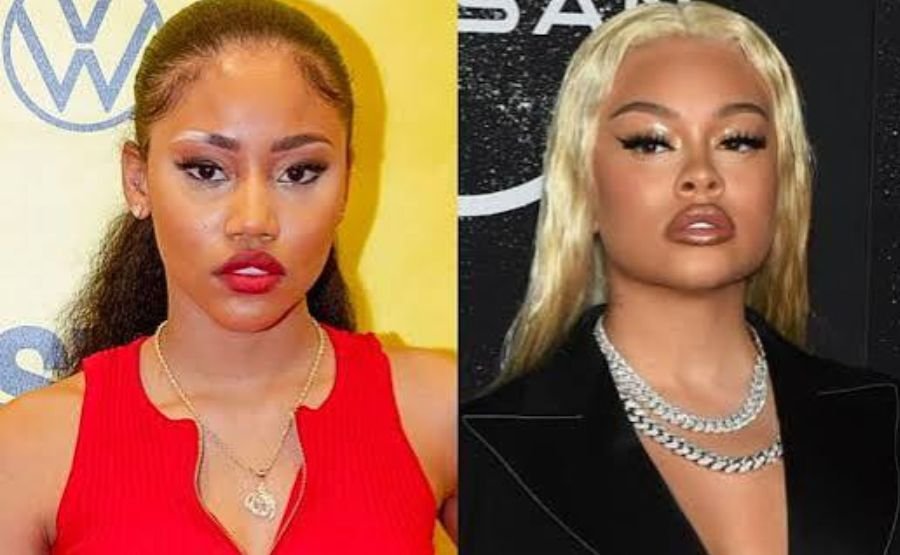
Growing Up and Getting Serious Before Most Kids Start Middle School
Supa wasn’t sitting in classrooms daydreaming about music the way some kids do. She was already doing the thing. Before she got near any national platform, she was performing at birthday parties and local community events in Atlanta. That sounds modest, but there’s something important about it. She was building stage presence and getting comfortable with audiences before she had any safety net of fame or following.
Atlanta’s music scene doesn’t wait for anybody. It’s fast, it’s competitive, and it has produced an outsized share of the country’s biggest hip-hop names. Growing up there meant she was surrounded by people who took the craft seriously. Whether that was intimidating or motivating probably depended on the day — but it pushed her.
She started her YouTube channel, SupaPeachworld, during this period. She’d post herself rapping and singing, just letting people find her. The internet was, and still is, the great equalizer for young artists. You don’t need a record deal to have an audience. You just need to be good enough that people share your videos. And she was.
The Rap Game: The Moment the Whole Country Paid Attention
In January 2016, Lifetime premiered The Rap Game, a reality competition show produced by Jermaine Dupri and Queen Latifah. The premise was clean: five young hip-hop artists, ages twelve to sixteen, would compete for a chance to sign with Dupri’s So So Def Recordings label.
Supa Peach was twelve years old when she walked into that competition. The youngest and arguably the most visually striking — she performed in a cape, which sounds theatrical but actually worked. It matched her energy. She raps, she sings, she dances, she models. The cape was saying: I’m not here to do just one thing.
The other contestants included some serious talent, notably a teenager named Miss Mulatto, who would go on to become the rap star now known as Latto — one of the biggest names in hip-hop today. That context matters. The competition Supa Peach was in was not soft.
She didn’t win the season. Miss Mulatto took that crown, though she famously turned down the actual record deal with Dupri afterward and chose to stay independent. But losing the competition didn’t define Supa Peach’s story on the show. What defined it was how she showed up, week after week, with the kind of charisma that cameras love and that you genuinely cannot teach.
The Controversy That Followed Her Off Stage
Reality TV being what it is, The Rap Game generated drama. The most significant moment for Supa Peach came during the reunion episode, when Miss Mulatto raised the question of whether Supa wrote her own lyrics. This wasn’t a small accusation in the world of rap — authenticity is currency.
Supa said she did write her own material, with some help from her mother. Her older sister and manager, Precious Peach, stepped in to defend her, saying it’s normal for parents to help young artists refine their work. Mulatto’s father countered that his daughter had always written independently. The argument escalated to the point where Jermaine Dupri himself stepped in and told the room they were arguing about the least important thing he’d ever witnessed in the music business.
It made for gripping television. And it also raised something real: what does it mean for a twelve-year-old to “write her own lyrics”? The standard applied to a child who has been rapping for four years isn’t — and probably shouldn’t be — the same standard applied to a seventeen-year-old with years of independent practice behind her. Supa Peach stood her ground. Whether you agreed with every detail or not, she didn’t back down. And the cape? Still on.
Precious Peach: The Sister Who Made the Machine Run
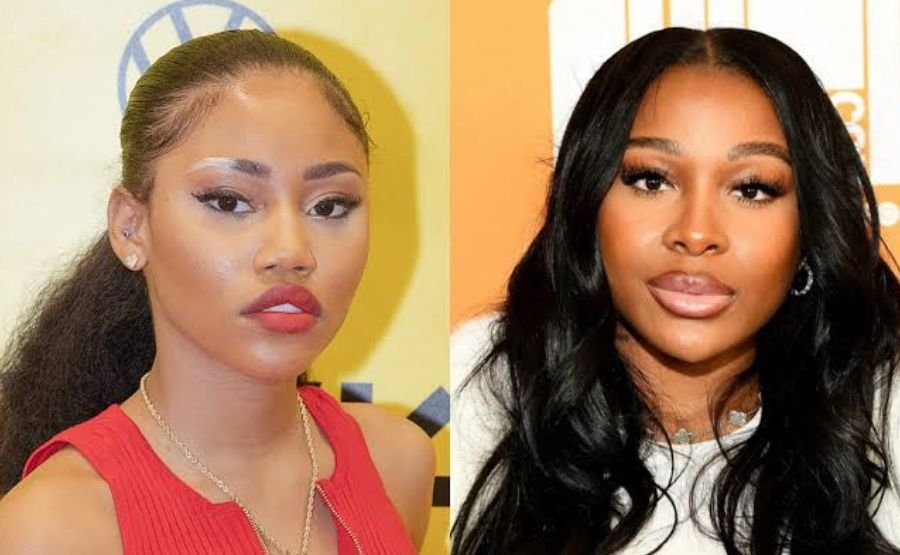
You can’t talk about Supa Peach without spending real time on Precious Peach. Precious is the older sister, roughly eight years Supa’s senior, born in the Virgin Islands as well. She became Supa’s manager, which means she was doing the work of navigating contracts, bookings, public image, and industry relationships at an age when most young adults are still figuring out their own lives.
That’s a particular kind of sibling bond.It’s an investment, not just affection. Precious put her own path on hold or redirected it entirely in service of her younger sister’s talent. That relationship is visible in how Supa talks about her family. They’re not a team by accident. They chose it.
Precious is also a public figure in her own right, with her own following. Her daughter — Supa’s niece — has gone by the nickname Mini Peach online and has her own presence on YouTube. There’s something genuinely charming about an entire family that gravitates toward creative self-expression and then lifts each other up doing it.
After the Show: Building on the Moment Without Burning Out
The period after The Rap Game is where a lot of young competitors stumble. The show ends, the camera moves on, and the question becomes: what did you build, and how do you keep building without that platform?
Supa handled this reasonably well. She released the EP Supa Singles in 2019, which gave her recorded music a proper home. Her involvement in two motion pictures, Groove Street (2018) and Music & Murder (2017), demonstrated that her passions went beyond music to include acting and performance more broadly. She kept her YouTube channel going, and it grew steadily to somewhere in the vicinity of 480,000 to 500,000 subscribers.
She also continued developing her stage persona under the name “Young Queen” on some platforms, which tracked with a natural evolution from the little girl in the cape to a young woman figuring out what she wanted her artistic identity to be as she moved into her late teens.
The Bobby Shmurda remix she released early on — putting her own spin on “Hot N***a” — had shown she could take a cultural moment and make it her own. That instinct for timely, culturally relevant content served her well across platforms.
The Money Picture: What It Actually Looks Like
Net worth estimates for young social media and music personalities are always a bit fuzzy, and Supa Peach is no exception. The numbers that float around range from $500,000 to $1.5 million, depending on the source and the year. The most grounded estimates seem to settle around the $1 million mark.
Her income comes from several directions. YouTube ad revenue on a channel with close to half a million subscribers and decent view counts adds up over time. Music sales and streaming from her EP and singles contribute. Appearances, branded content, and sponsorship deals on Instagram — where she has maintained a following in the millions — have likely been a significant piece of the picture. Acting work adds another layer.
She’s not wealthy by the standards of the industry’s top tier. But she’s also 22 years old in 2026, and she built what she has without ever getting a major label deal. That’s not a small thing. Independence in music is harder than it looks. The fact that she’s accumulated any meaningful net worth while staying largely self-managed says something about how seriously she and her family have treated the business side of her career.
Where She Is Today
Supa Peach is still active. She’s 22 in 2026 — no longer the twelve-year-old in the cape, obviously, but still building. She posts regularly across Instagram and TikTok, where short-form content has given her new ways to reach audiences that might not have found her through YouTube. Her music continues to develop, and the acting work she picked up suggests she’s genuinely interested in expanding into entertainment more broadly.
She’s also now at the age where many of the young artists who were her competition on The Rap Game have either broken through in major ways or stepped back entirely. Latto is a mainstream superstar. That trajectory is instructive — not everyone from that show had the same outcome, but the ones who kept working and kept evolving are the ones still in the conversation.
Supa Peach is still in the conversation.
Final Words
What’s genuinely remarkable about Supa Peach is the clarity she showed at an age when most people are still figuring out what they like for lunch. She walked into a national competition at twelve, performed in front of judges with decades of industry experience, got publicly criticized, and didn’t fold. She built her platform without a label. She created a working system with her family. She kept producing.
What makes her different from most of the young talent that flickered briefly in the mid-2010s is simple: she didn’t stop. The cape was never really about the cape. It was about showing up as someone with a defined sense of self in a space that will absolutely try to define you for you. For a kid from the Virgin Islands who relocated to Atlanta so her mom could give her a shot — that’s a remarkable origin story. And it’s clearly not finished yet.
FAQs
1. How old is Supa Peach right now?
As of 2026, Supa Peach is 22 years old. She was born on March 7, 2003, in the Virgin Islands.
2. What is Supa Peach’s real name?
Her real name is Peach Aamonie Valero. “Supa Peach” is the stage name she has used professionally since she was very young.
3. Where is Supa Peach from?
She was born in the Virgin Islands and later relocated to Atlanta, Georgia, when her mother decided to move the family to support her music career.
4. What show made Supa Peach famous?
She appeared on The Rap Game on Lifetime in 2016. The show was produced by Jermaine Dupri and Queen Latifah and featured young rappers competing for a record deal with So So Def Recordings.
5. Did Supa Peach win The Rap Game?
No. Miss Mulatto, now known as Latto, won the first season. Supa Peach was a standout contestant but did not take home the prize.
6. Who is Precious Peach?
Precious Peach is Supa’s older sister and manager. She has been instrumental in guiding Supa’s career and has her own public following. Her daughter, Mini Peach, also runs a YouTube channel.
7. What is Supa Peach’s net worth?
Estimates range from $500,000 to $1.5 million. The most commonly cited figure sits around $1 million. Her income comes from YouTube, music, acting, Instagram brand deals, and sponsored content.
8. What music has Supa Peach released?
She released the EP Supa Singles in 2019 and has put out various singles throughout her career, including a remix of Bobby Shmurda’s “Hot N***a” that gained early attention.
9. Has Supa Peach acted in any films?
Yes. She appeared in Groove Street in 2018 and Music & Murder in 2017, showing she has interests beyond music alone.
10. What was the controversy with Supa Peach on The Rap Game?
During the Season 1 reunion, Miss Mulatto challenged whether Supa Peach wrote her own lyrics. The argument grew to involve parents and managers before Jermaine Dupri stepped in to defuse it.
11. What is Supa Peach’s ethnicity?
She is of Caribbean-Hispanic heritage, originally from the Virgin Islands, which informs her cultural identity and artistic style.
12. Is Supa Peach still active in 2026?
Yes. She continues to release music and post content across social media platforms including Instagram and TikTok. She is 22 and still building her career as an independent artist.
Read. Explore. Discover more with Dicovered Magazine.





One Comment